
July 14, 2026
Low Acid Coffee Will Not Automatically Taste Less Bitter
Low acid coffee can be gentle and still taste bitter. Learn the difference between acidity and bitterness plus the brewing fixes that actually make coffee smoother.
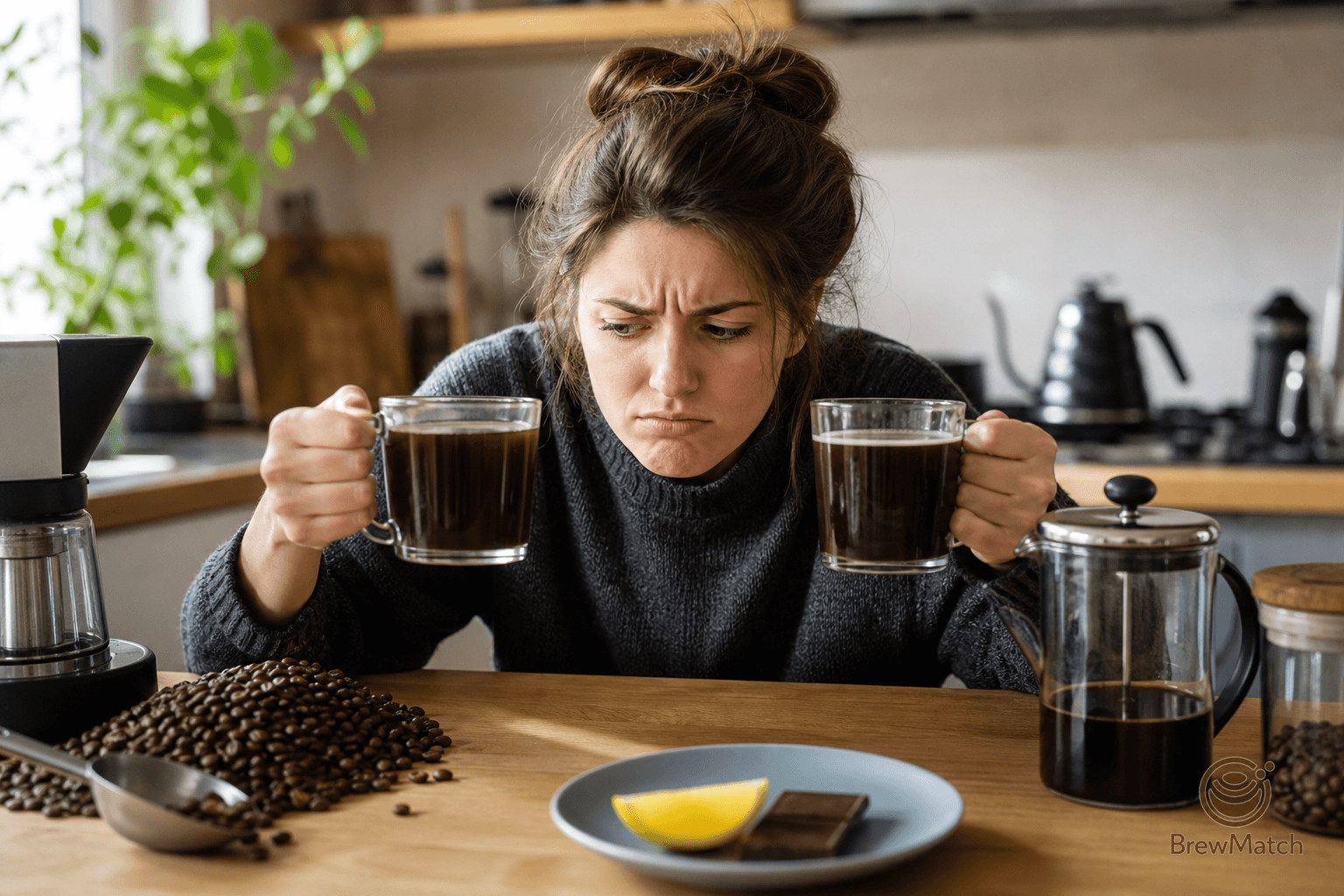
Low acid coffee does not automatically taste less bitter. Acidity and bitterness are different taste problems. A coffee can be low acid and still taste burnt, dry, harsh, or over-extracted. If your goal is smoother coffee, you need to look at the roast, grind, brew time, water temperature, and bean style instead of assuming low acid is the magic fix.
That does not mean low acid coffee is useless. It can be a good choice for some people. It just should not be treated as a shortcut for fixing bitterness.
Low acid and low bitterness are not the same thing
Home coffee drinkers often use one word for every unpleasant coffee taste: bitter. That makes troubleshooting harder.
Acidity is the bright, tangy, lively side of coffee. It can remind you of citrus, apple, berries, or wine. When acidity is balanced, coffee tastes crisp and fresh. When it is too sharp, people may call it sour.
Bitterness is darker and heavier. It can taste like burnt toast, char, cocoa powder, over-steeped tea, or medicine. A little bitterness can make coffee feel full and structured. Too much makes it taste harsh or punishing.
Low acid coffee mainly reduces brightness. It does not automatically reduce roast bitterness, extraction bitterness, or the dry finish that comes from brewing too aggressively.
So if your coffee tastes sharp and sour, low acid beans might help. If your coffee tastes burnt, dry, or ashy, low acid beans may do almost nothing.
The trap: buying low acid beans to fix a brewing problem
The most common mistake is buying a bag labeled low acid when the real issue is the recipe.
If you brew too long, grind too fine, use water that is too hot, or use too little coffee for the amount of water, you can pull too many bitter compounds from the grounds. That is over-extraction. It can happen with light roast, medium roast, dark roast, expensive beans, cheap beans, and yes, low acid beans too.
If the same bag tastes okay when you brew it shorter or slightly coarser, the beans were not the main problem. The brew was.
For a deeper troubleshooting path, read Over Extracted Coffee Tastes Bitter: 4 Home Fixes. It explains the most useful fixes before you start replacing everything in your kitchen.
What low acid coffee usually tastes like
Low acid coffees often taste rounder, softer, and less bright. They may lean toward chocolate, nuts, toasted grain, caramel, or mild earthiness. Many come from origins and roast profiles that naturally highlight body over sparkle.
That can be pleasant if you dislike sharp coffee. But softer does not always mean smoother.
Some low acid coffees are roasted darker to mute acidity. If the roast is pushed too far, the result can taste smoky, flat, or bitter. That is not because low acid is bad. It is because darker roasting can trade brightness for roast flavor.
A smooth cup is not just low in acidity. It is balanced. It has enough sweetness and body to feel pleasant, without harsh bitterness taking over.
Signs low acid coffee might actually help
Low acid coffee may be worth trying if your coffee problem sounds like this:
- The coffee tastes sharp on the sides of your tongue.
- The flavor reminds you of lemon peel, green apple, or underripe fruit.
- Light roasts often taste too tangy to you.
- You enjoy chocolatey or nutty flavors more than fruity flavors.
- You prefer coffee with milk because black coffee feels too bright.
In those cases, low acid or lower-acidity beans can move you toward a rounder cup.
But if your coffee tastes like smoke, burnt toast, dry cocoa powder, or old diner coffee, low acid is probably not the first fix.
Signs your bitterness is not an acid problem
Your problem is probably bitterness rather than acidity if:
- The coffee leaves a dry feeling on your tongue.
- The aftertaste lingers in a harsh way.
- The cup tastes worse near the end.
- The flavor seems burnt even when the beans smell good.
- Adding more coffee makes it stronger but still unpleasant.
- The same coffee tastes better when brewed faster or coarser.
These are signs to adjust extraction before changing bean category.
Try this simple test: brew your normal coffee, but grind one notch coarser or shorten the brew time slightly. If the cup becomes less bitter, your issue was probably extraction. If it becomes weaker but still tastes unpleasant, the roast style or bean choice may be a bigger factor.
Not sure whether your taste preferences point toward low acid, low bitterness, or a different roast style? BrewMatch can help you narrow it down without coffee-snob vocabulary. Try the taste matcher at BrewMatch and describe what you actually like drinking.
Better bean choices for people who hate bitter coffee
If bitterness is the main thing you dislike, look for more than the words low acid.
Good clues include:
- Medium roast instead of very dark roast.
- Flavor notes like milk chocolate, caramel, almond, hazelnut, honey, or brown sugar.
- Descriptions such as smooth, balanced, mellow, or sweet.
- Fresh beans from a roaster that gives a roast date.
- Beans intended for filter coffee if you mostly brew drip or pour over.
Be cautious with bags that only promise bold, intense, smoky, extra dark, or traditional Italian-style flavor if you already dislike bitterness. Those words do not always mean bad coffee, but they often point toward a roast profile that emphasizes darker flavors.
For a more bean-focused guide, see Best Coffee Beans for People Who Hate Bitter Coffee.
Brew changes that make coffee smoother without buying low acid beans
Before you switch to low acid coffee, make one small change at a time.
Grind slightly coarser. A too-fine grind exposes more surface area and can make coffee extract too aggressively. This is one of the fastest ways to make a cup taste bitter and dry.
Shorten contact time. If you use French press, immersion drippers, or cold brew, steeping too long can make the cup heavy and harsh. If you use drip, slow draining can create a similar issue.
Let boiling water settle. You do not need to obsess over exact numbers, but water straight off a rolling boil can make some coffees taste harsher, especially darker roasts.
Use enough coffee. Weak coffee can still taste bitter. If you use too little coffee and too much water, the brew may taste thin and over-extracted at the same time.
Clean the brewer. Old oils and residue can add stale bitterness that has nothing to do with acid level or bean quality.
These changes are boring in the best possible way. They work more often than buying a random new bag and hoping for a personality change.
Practical checklist: low acid or bitter coffee fix?
Use this checklist before your next bag purchase.
- If the coffee tastes sharp or sour, try a lower-acidity bean or a slightly darker roast.
- If the coffee tastes burnt or smoky, avoid very dark roast labels for now.
- If the coffee tastes dry and harsh, grind coarser or shorten brew time.
- If the coffee tastes weak and bitter, use a little more coffee or less water.
- If the coffee tastes worse as it cools, check extraction and roast level.
- If every bag tastes bitter, clean your brewer and check your grind.
- If you want smooth black coffee, look for medium roast beans with chocolatey, nutty, or caramel notes.
- If you want less tang but still like rich flavor, low acid coffee may be a reasonable choice.
Do not change all of these at once. Pick one adjustment, brew again, and taste the difference.
The simplest way to think about it
Low acid coffee solves a brightness problem. It does not automatically solve a bitterness problem.
If your coffee tastes sour, sharp, or too tangy, low acid beans may help. If it tastes burnt, dry, ashy, or harsh, start with brew variables first. Grind size, brew time, water temperature, and roast level usually matter more than the acid label on the bag.
The goal is not to become a coffee expert. The goal is to stop guessing.
If you want help finding coffee that matches your actual taste preferences, use BrewMatch. Tell it what you like and what you want to avoid, and it will point you toward a better fit than another random bag labeled low acid.
Find your match
Not sure which beans fit your taste?
Use BrewMatch to turn your flavor goal, brew method, and current coffee problem into a practical roast and bean profile.
Try BrewMatch