
July 28, 2026
Drip Coffee Tastes Bitter Not Because Drip Is Bad
Bitter drip coffee is usually a setup problem, not proof that your coffee maker is trash. Fix the grind, water, heat, and holding time before blaming the beans.
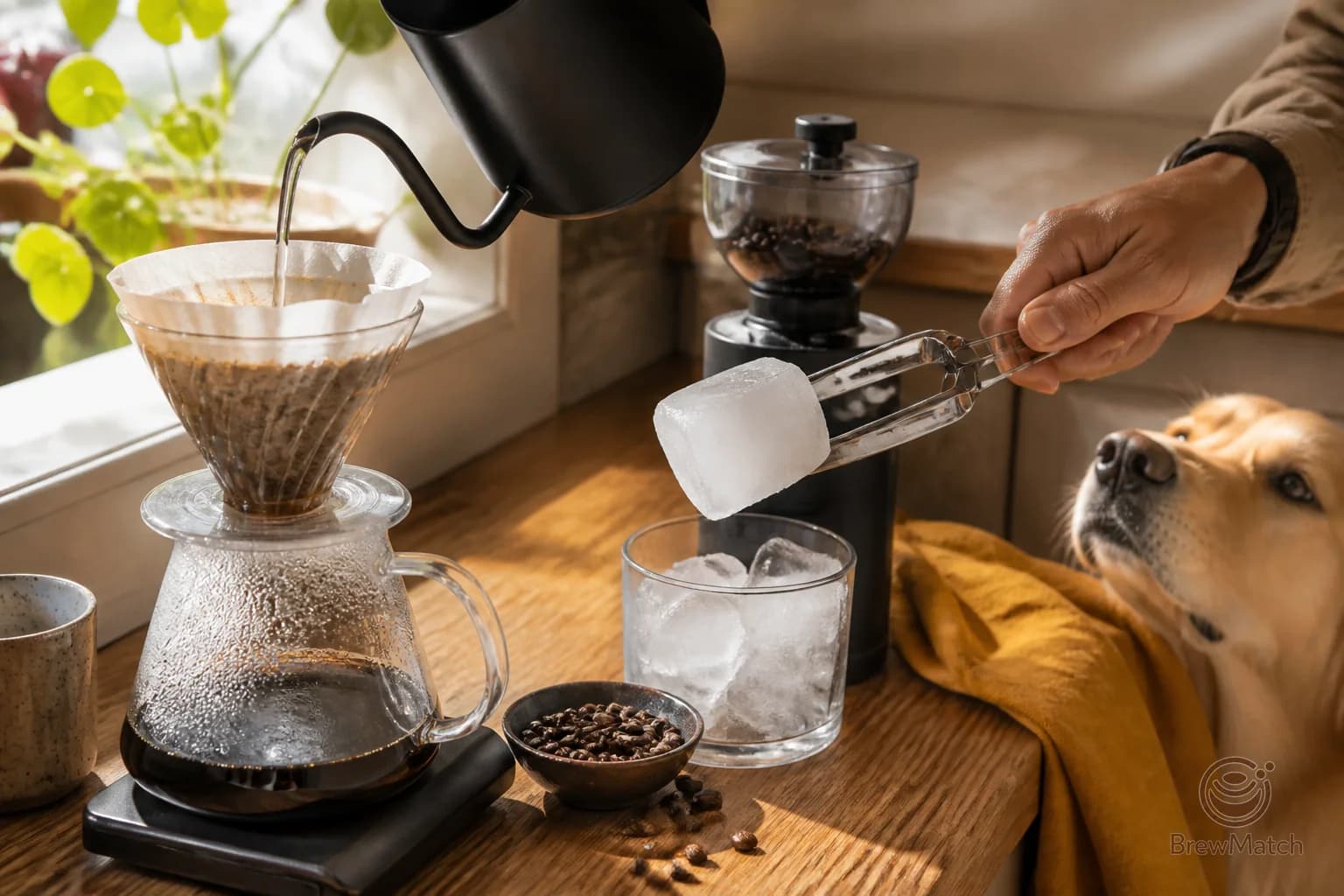
Drip coffee tastes bitter when the machine pulls too much harsh flavor from the grounds, cooks the finished coffee, or runs through a dirty brew path. The machine is not automatically the villain. Most bitter drip coffee comes from a grind that is too fine, too much contact time, stale residue, bad water, or coffee sitting on heat after brewing.
Drip has a reputation problem. People taste one harsh pot and decide the whole method is cheap, burnt, and doomed. Not fair. A basic automatic coffee maker can make a smooth cup if the setup is not fighting it.
Bitter drip coffee usually has one of these patterns
Before changing everything, name what you are tasting.
Bitter drip coffee often shows up as:
- Dryness on your tongue after you swallow
- A burnt edge even when the beans do not smell burnt
- A woody or hollow aftertaste
- A harsh finish that gets worse as the pot sits
- Coffee that tastes darker than it smells
- Coffee that needs milk or sugar just to become drinkable
That last one is the giveaway. Milk should be optional, not damage control.
Bitterness is not the same as strength. Strong coffee can taste full, rich, and balanced. Bitter coffee tastes sharp, drying, and punishing. If you keep adding more grounds because the coffee tastes weak, you can accidentally make the bitterness worse while still not getting the flavor you wanted.
For more on that split, read Strong Coffee Should Not Taste Bitter.
Mistake 1: The grind is too fine for the basket
Automatic drip coffee makers are not espresso machines. They need water to pass through the coffee bed at a steady pace. If the grounds are too fine, water slows down, pools, and keeps extracting.
That extra contact can pull out more bitter compounds. The cup may taste dark, dry, and oddly flat.
This is especially common if you use pre ground coffee labeled for multiple brew methods. A bag that says it works for drip, pour over, and espresso is making a compromise. Your machine may not like that compromise.
Try this:
- Move one step coarser if you grind at home
- Use a medium grind, not powdery grounds
- Avoid packing or tapping the basket flat
- Make sure the filter is not collapsing and slowing flow
If the coffee improves but tastes a little thin, adjust dose after you fix grind. Do not use fine grind as a shortcut for more flavor. That is how drip coffee gets bitter and boring at the same time.
Mistake 2: The coffee sits on the hot plate too long
Fresh drip coffee can taste fine at 8:05 and nasty at 8:45. That is not your imagination.
A hot plate keeps heating brewed coffee after extraction is already finished. The water is gone from the grounds, but the finished coffee is still being cooked. Aromas fade. Sweetness drops. Bitter, stale, and burnt notes take over.
If your second cup always tastes worse than your first cup, the hot plate is a prime suspect.
A simple fix:
- Brew only what you will drink soon
- Pour the pot into a thermal carafe after brewing
- Turn off the warmer if your machine allows it
- Do not judge a coffee by the last cup in the pot
This is one of the least glamorous fixes and one of the most effective. If this sounds familiar, read Coffee Tastes Bitter After Sitting On The Hot Plate.
Mistake 3: The coffee maker is carrying old coffee flavor
Old coffee oils cling to brew baskets, carafes, lids, and reusable filters. They do not politely disappear between pots. They oxidize, go stale, and add a rancid bitter edge to the next brew.
This is why a machine can make every bag taste the same kind of bad.
Look for these signs:
- Brown film in the carafe or lid
- A permanent coffee smell in the basket
- A reusable filter that looks clean but smells stale
- Coffee that tastes bitter even after changing beans
- A machine that has not been descaled in a long time
Clean the removable parts with warm water and a mild dish soap. Rinse well. Descale the machine according to the manufacturer instructions. If you use a reusable metal filter, clean it more aggressively than you think you need to. Coffee oil hides well.
A dirty machine is not a character flaw. It is just a very effective way to make decent beans taste tired.
Mistake 4: The water is making the cup harsh
Water is most of the cup, so yes, it gets a vote.
Hard, chlorinated, or odd tasting tap water can make drip coffee taste more bitter or metallic. It can also leave scale inside the machine, which affects flow and heating over time.
You do not need expensive water rituals. Start with the boring test:
Brew one pot with filtered water you like drinking. Keep the same coffee, same dose, same grind, and same machine. If the cup gets smoother, your water was part of the problem.
If nothing changes, move on. Do not turn water into a hobby unless it proves it deserves your attention.
Mistake 5: The basket is overloaded
More coffee does not always mean better coffee. In some drip machines, an overloaded basket can cause uneven flow. Water may channel through some areas and stall in others. The result can taste both weak and bitter, which feels impossible but happens all the time.
You get bitterness from the overworked parts of the bed and blandness from the under extracted parts.
Try a more controlled dose:
- Use a level scoop or a small scale
- Do not fill above the basket’s intended capacity
- Brew a smaller batch if the basket is crowded
- Avoid mounding grounds in the center
A flat, even bed gives the water a better chance. You are not chasing perfection. You are preventing the machine from doing something weird.
If you want help choosing coffee that matches how you actually like your cup, not how coffee labels talk about it, try BrewMatch. It is built for normal taste preferences, including people who want smooth coffee without the bitter lecture.
Mistake 6: The roast is darker than your setup can handle
Dark roast is not automatically bitter. Badly brewed dark roast can be very bitter, though.
Darker beans are more soluble, which means water can pull flavor from them more easily. In a drip machine, that can be good. It can also mean your usual grind and dose are too aggressive.
If a dark roast tastes burnt, sharp, or ashy in your drip maker, try:
- Grinding slightly coarser
- Using a little less coffee
- Drinking it fresh instead of letting it sit
- Switching to a medium roast if you want more sweetness
Do not assume you need the lightest roast on the shelf. Some light roasts can taste sour or grassy in basic drip machines if the brewer does not run hot enough. The better move is to pick a roast that matches your taste and then adjust the recipe.
A quick bitter drip coffee checklist
Use this when your automatic coffee tastes harsh and you do not want to spiral.
- Taste the first cup right after brewing. If it is smooth at first and bitter later, blame holding heat.
- Check the grind. If the grounds look powdery or muddy after brewing, go coarser.
- Clean the basket, carafe, lid, and filter. Old coffee oil can make every pot taste stale.
- Try filtered water once. If the cup improves, keep using it. If not, move on.
- Reduce the batch size. Crowded baskets can brew unevenly.
- Change only one thing at a time. Otherwise you will never know what fixed it.
- Do not rescue bitterness with more coffee. More grounds can create a stronger bitter cup, not a better one.
The fastest fix for tomorrow morning
If you want the highest odds improvement without buying anything, do this:
Clean the basket and carafe tonight. Tomorrow, brew with a slightly coarser grind or a little less coffee. Drink the first cup fresh, then move the rest off the hot plate.
That simple routine attacks the three biggest drip bitterness problems: residue, over extraction, and cooked coffee.
If the cup is still bitter after that, test filtered water. If it is still harsh, try a different roast style. But do not start by replacing the machine. Most drip coffee bitterness is not a hardware emergency.
Drip coffee is not doomed
Automatic drip coffee gets blamed for a lot of bad cups it did not cause. The method is simple, but simple does not mean careless. Grind too fine, leave coffee cooking, skip cleaning, or overload the basket, and the machine will absolutely punish you.
Fix those basics and drip coffee can be smooth, easy, and repeatable. Not fancy. Not fragile. Just a good cup that does not taste like you lost an argument with your morning.
If you want coffee recommendations based on the flavors you enjoy and the bitterness you want to avoid, use BrewMatch. Your coffee is not doomed. Your setup may just be being dramatic.
Find your match
Not sure which beans fit your taste?
Use BrewMatch to turn your flavor goal, brew method, and current coffee problem into a practical roast and bean profile.
Try BrewMatch