
July 29, 2026
Coffee Tastes More Bitter as It Cools
If your coffee starts fine then turns sharp as it cools, the cup is not changing its mind. Your recipe is showing its flaws.
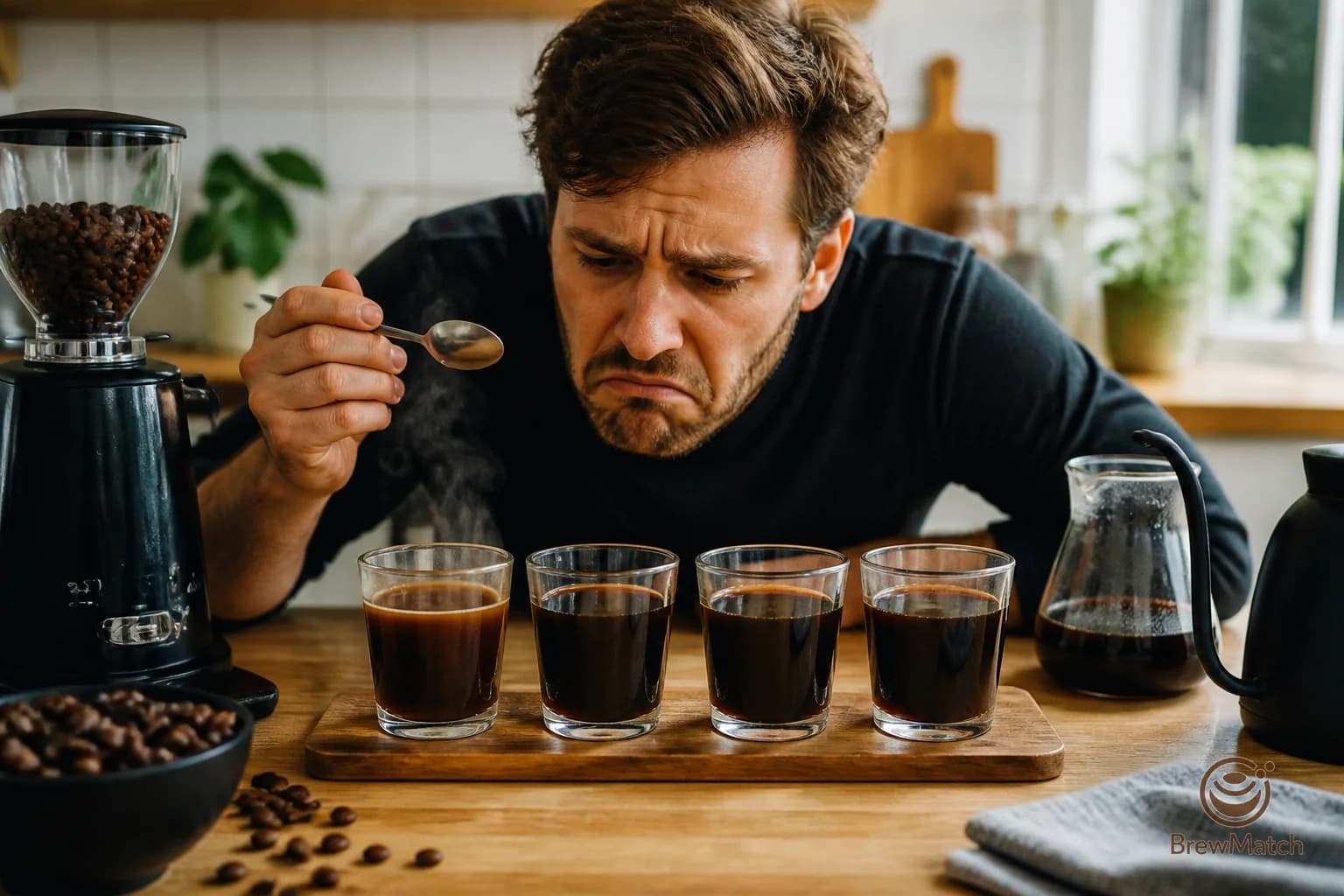
Coffee tastes more bitter as it cools because heat can hide harsh flavors. When the cup drops in temperature, sweetness and aroma fade a little, while over extracted, stale, dirty, or overly strong flavors become easier to notice. The fix is not to chug hotter coffee. Fix the brew so it still tastes decent when it cools.
A good cup does not need to taste perfect at room temperature. Coffee changes as it cools. That is normal. But if it goes from smooth to sharp, dry, burnt, or medicine bitter in ten minutes, something in the recipe is probably too aggressive.
Hot coffee gets away with more than cool coffee
Very hot coffee is loud. The heat brings aroma up fast, and aroma does a lot of the work in making coffee taste pleasant. When the cup is hot, you may notice roast smell, sweetness, chocolate, caramel, fruit, or just a comforting coffee smell before you notice the rough edges.
As the cup cools, that cover drops.
The bitter parts were probably there from the first sip. They were just easier to ignore. Cooler coffee makes the structure of the cup more obvious. If the brew is balanced, it may taste sweeter, rounder, or more detailed as it cools. If the brew is over extracted, too concentrated, or made with tired beans, it can start tasting thin and punishing at the same time.
That is the weird part. Bitter coffee does not always taste big. Sometimes it tastes hollow, sharp, and dry.
Bitter after cooling usually points to over extraction
The most common reason coffee gets unpleasant as it cools is over extraction. That means the water pulled too much from the grounds, especially the later flavors that tend to taste bitter, drying, and rough.
You might be over extracting if your coffee:
- Tastes acceptable while hot but dry once warm
- Leaves a bitter coating on your tongue
- Feels harsh without tasting stronger
- Gets worse near the end of the mug
- Needs cream or sugar to stop tasting scratchy
Over extraction can come from a grind that is too fine, a brew time that is too long, water that is too hot, or too much agitation. Sometimes it is a combination. Tiny changes stack up fast.
If your coffee also tastes bitter at the very end of the mug, read Coffee Tastes Bitter at the Bottom of the Cup. That bottom of cup bitterness often has its own causes, especially sediment and uneven extraction.
The first fix is not better beans
People love blaming the bag. Sometimes the beans are stale or too dark for your taste. Fair. But if the coffee tastes nice for the first few sips, the beans are not the only suspect.
Before buying another bag, change one brew variable.
Start with grind size. Go slightly coarser. Not wildly coarser. One or two clicks on a burr grinder, or a small adjustment if your grinder is stepped differently. Coarser grounds usually slow down extraction in the cup even if the total brew time changes only a little.
For French press, reduce steep time before plunging or pour the coffee off the grounds sooner. For pour over, grind a touch coarser or pour less aggressively. For drip, try a medium grind rather than something powdery. For espresso, bitter cooling can be a sign that the shot is running too long or extracting unevenly.
If you want a quick taste match instead of guessing through bags and roast labels, try BrewMatch. It is built for normal coffee drinkers who want coffee that fits their taste, not a lecture about tasting notes.
Check your temperature before you blame the roast
Water that is too hot can make coffee taste more bitter, especially with darker roasts or fine grounds. You do not need lab gear. Just stop pouring water straight from a violent boil into the grounds.
For most home brewing, let boiling water sit briefly before brewing. If your kettle has temperature control, try lowering the temperature a bit and compare the cup after ten minutes, not just on the first sip.
This is especially useful if your coffee tastes burnt, smoky, or woody as it cools. Dark roast is not automatically bad. But very hot water plus dark roast plus fine grind can turn a normal cup into a bitter little punishment.
For more on that specific mistake, see Boiling Water Makes Coffee Taste Bitter.
Strength can trick you
Strong coffee and bitter coffee are not the same thing, but they often arrive together.
If you use a lot of coffee and not enough water, the cup can taste heavy while hot and harsh once it cools. If you use too little coffee and grind too fine to compensate, the cup can taste bitter and weak. Both are annoying. Both are common.
The boring fix is also the most useful one: measure once.
You do not need to weigh every cup forever. But weigh your coffee and water for a few brews so you know what you are actually making. A typical starting point is around 1 part coffee to 15 or 16 parts water for many drip, pour over, and immersion brews. Your taste may land stronger or lighter, but at least you will be adjusting from a known place.
If the cooled cup tastes bitter and heavy, use a little more water or slightly less coffee. If it tastes bitter and thin, look at grind and brew time before adding more coffee.
Dirty gear gets louder as coffee cools
Old coffee oils taste stale, bitter, and a little rancid. When coffee is hot, those flavors can hide under the fresh brew smell. As the cup cools, dirty brewer flavor starts walking around like it owns the place.
Check the parts that touch brewed coffee:
- Drip basket
- Carafe
- French press mesh
- Travel mug lid
- Espresso portafilter
- Moka pot gasket and upper chamber
- Reusable filters
The travel mug lid is a repeat offender. People scrub the mug and ignore the lid, then wonder why every coffee tastes bitter after fifteen minutes.
If multiple different coffees all get harsh as they cool, clean the brewer before buying new beans. That includes descaling if your machine has mineral buildup.
A practical checklist for coffee that gets bitter as it cools
Use this in order. Do not change everything at once unless you enjoy never knowing what worked.
- Taste the coffee hot, warm, and cooler. Notice when the bitterness shows up.
- Grind slightly coarser on the next brew.
- Shorten contact time if you are using French press, AeroPress, or another immersion method.
- Let boiling water rest briefly before brewing, especially with darker roasts.
- Use a little more water if the cup tastes bitter and heavy.
- Clean the brewer, carafe, filter basket, and mug lid.
- Try fresher beans if the coffee tastes flat, woody, or bitter no matter what you change.
- Compare the cup after ten minutes, not only on the first sip.
That last point is underrated. If you only judge the first sip, you may keep repeating a recipe that falls apart halfway through the mug.
When cooling bitterness is actually normal
Some bitterness is part of coffee. Even smooth coffee is not supposed to taste like melted ice cream. As coffee cools, it can become more transparent. Acidity may show up more. Roast flavors may settle. Sweetness may become less obvious.
That is not automatically a defect.
The problem is when the cup becomes unpleasant. Dry mouthfeel, burnt aftertaste, harsh edges, or a bitter finish that hangs around too long are signs to adjust the brew.
A simple standard works well: would you still take another sip once the coffee is warm, not hot? If yes, the cup is probably fine. If no, your recipe is being dramatic.
The best fix depends on the kind of bitter
Not all bitter coffee needs the same correction.
If it tastes dry and sharp, go coarser or shorten brew time. If it tastes burnt, lower water temperature or try a slightly lighter roast. If it tastes stale, clean your gear and check bean freshness. If it tastes heavy and muddy, use a cleaner filter, pour off the coffee sooner, or adjust the ratio.
The goal is not to remove every trace of bitterness. The goal is balance. A little bitterness can make coffee taste like coffee. Too much makes the mug feel like a chore.
If you keep buying bags that sound good but taste harsher than you want, use BrewMatch to find coffee that fits how you actually like your cup: smoother, sweeter, brighter, bolder, or less bitter without the guessing game.
Find your match
Not sure which beans fit your taste?
Use BrewMatch to turn your flavor goal, brew method, and current coffee problem into a practical roast and bean profile.
Try BrewMatch