
July 27, 2026
Coffee Can Taste Bitter and Sour at the Same Time
Bitter and sour coffee is not a contradiction. It usually means your brew is extracting unevenly. Fix the grind, pour, and recipe before you blame the beans.
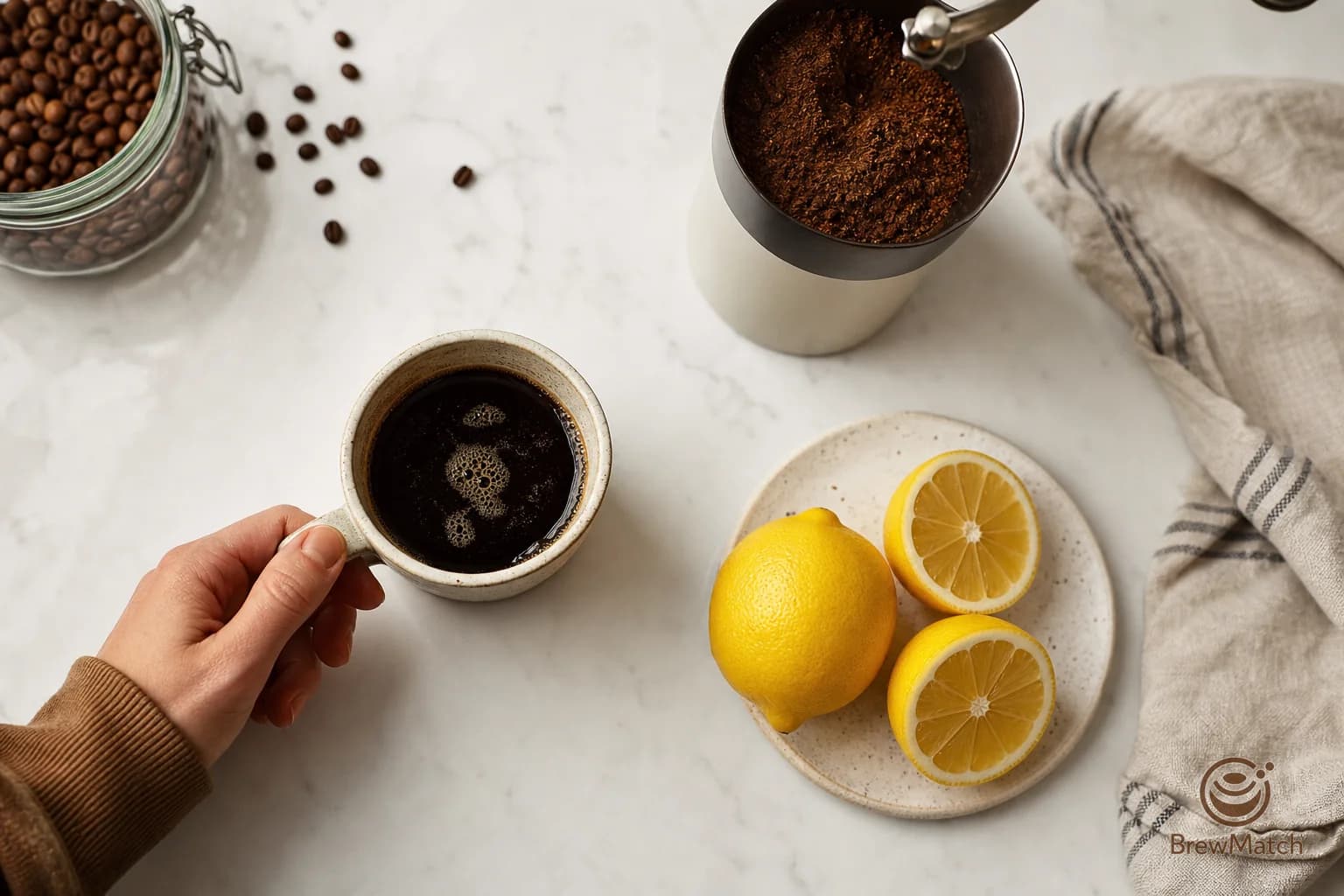
Coffee can taste bitter and sour at the same time when different parts of the coffee extract unevenly. Some grounds give up sharp, under extracted flavors. Other grounds get pushed too far and turn dry, bitter, or harsh. That mixed signal usually points to grind inconsistency, bad water contact, channeling, or a recipe that is asking too much from the coffee.
It feels confusing because bitter and sour sound like opposite problems. In the cup, they can show up together.
Bitter plus sour usually means uneven extraction
Coffee extraction is just water pulling flavor out of ground coffee. Early extraction tends to taste sharper and more acidic. Later extraction brings more body, sweetness, and eventually bitterness.
A good cup lands in the middle. A bad cup can hit both edges at once.
That happens when water does not treat all the grounds the same way. Tiny particles extract fast and can turn bitter. Bigger chunks extract slowly and can stay sour. If both end up in the same brew, the cup can taste bright, dry, thin, and unpleasant all at once.
This is why the answer is not always “grind finer” or “grind coarser.” Those can help, but only if you know which problem you are chasing.
What bitter and sour taste like in the cup
Before changing anything, name what you are tasting.
Sour coffee usually tastes sharp, tart, lemony, green apple like, or thin. It often feels like the flavor disappears quickly after the first sip.
Bitter coffee usually tastes dry, woody, burnt, smoky, or like the back of your tongue is getting scraped. It can linger long after you swallow.
Bitter and sour together often tastes like this:
- Sharp on the first sip
- Dry at the finish
- Harsh instead of rich
- Thin but still unpleasant
- Bright in a bad way
- Strong but not satisfying
That last one tricks a lot of people. They think the coffee is too strong, so they use less coffee. Sometimes that makes the cup weaker and still bad. Strength and extraction are related, but they are not the same thing.
If harshness is the main issue, read 3 Reasons Coffee Tastes Harsh Instead of Smooth next. Harsh coffee is often a recipe problem hiding behind a flavor word.
The most common cause is uneven grounds
Uneven grounds are the boring villain here.
If your grinder creates a mix of powdery dust and chunky pieces, the powder extracts too much while the chunks extract too little. You get bitterness from the fines and sourness from the larger pieces.
Blade grinders are especially good at creating this mess because they chop beans randomly instead of grinding them to one size. But even burr grinders can cause trouble if the setting is wrong, the burrs are dirty, or the beans feed unevenly.
A quick test: after grinding, look at the coffee on a white plate or paper towel. You do not need lab precision. Just look for a big spread between dust and boulders. If it looks like beach sand mixed with gravel, your cup may taste like two bad brews poured together.
For a deeper grinder diagnosis, see 4 Grinder Setting Mistakes That Make Coffee Taste Bitter.
Your brew method changes where the problem shows up
The same bitter sour problem can look different depending on how you brew.
With drip coffee, the bed of grounds may not get wet evenly. Some areas flood. Others barely extract. You end up with a pot that tastes sharp and hollow up front, then bitter as it cools.
With pour over, an uneven pour can blast a hole through the coffee bed. Water races through one path while the rest of the grounds sit there. That can make the cup taste both sour and bitter even when the beans are fine.
With French press, the issue is often grind spread plus steep time. Too many fines sit in the brew for the full steep and keep extracting. Larger pieces may still not give enough sweetness.
With espresso, bitter and sour together often points to channeling. Water finds weak spots in the puck and rushes through them. Some coffee is under extracted. Some gets hammered. The shot tastes chaotic.
Same pattern, different tools: uneven water plus uneven grounds equals mixed signals.
The fix is not always a new bag of beans
Beans matter. Of course they do. But if your coffee tastes bitter and sour, a new bag may only hide the problem for a few days.
Before you buy something else, change one variable at a time.
If you want coffee that naturally fits your taste, use BrewMatch to find beans based on the flavors you actually like. Just do not use new beans as a way to avoid fixing a messy recipe. Smooth beans still need a sane brew.
Practical checklist for bitter and sour coffee
Use this in order. Do not change everything at once unless you enjoy making your morning coffee into a crime scene.
- Check your grind consistency Look for powder plus chunks. If the grind is wildly uneven, fix that before adjusting the recipe.
- Grind slightly more even before grinding finer If you use a blade grinder, pulse in short bursts and shake between pulses. It will not turn it into a burr grinder, but it can reduce the worst chunks.
- Rinse paper filters A dry paper filter can add papery bitterness and make the cup taste flatter. Rinse it with hot water first, then dump that water.
- Make sure all grounds get wet For drip, level the bed before brewing. For pour over, bloom the coffee and pour gently. For French press, stir after adding water so dry pockets do not sit untouched.
- Reduce brew time if the finish is dry If the cup starts sharp but ends bitter and drying, you may be over extracting part of the brew. Shorten contact time a little.
- Increase extraction only if the whole cup is sour If the coffee is sour from start to finish with little bitterness, then grind a little finer, use slightly hotter water, or brew a little longer.
- Do not judge while the coffee is scorching hot Very hot coffee can hide sweetness and exaggerate harshness. Let it cool for a minute or two before making the call.
- Clean the gear Old coffee oils taste bitter and stale. If your brewer, grinder, or carafe smells like yesterday’s coffee, it can drag every new cup down.
A simple test brew
If your coffee tastes bitter and sour, run a reset brew.
Use the same beans. Use the same amount of coffee and water you normally use. Change only the grind and water contact.
For drip coffee:
- Level the grounds in the basket
- Use fresh water
- Rinse the filter if it is paper
- Avoid overfilling the basket
- Taste the first cup after it cools slightly
For pour over:
- Grind medium instead of very fine
- Bloom for 30 to 45 seconds
- Pour gently in stages
- Keep the water from digging a crater in the bed
- Stop chasing speed and taste the result
For French press:
- Use a coarse but consistent grind
- Stir after adding water
- Steep around 4 minutes as a starting point
- Pour the coffee off the grounds after plunging
- Do not let it sit in the press forever
For espresso:
- Distribute grounds evenly before tamping
- Tamp level
- Watch for spraying, fast blonding, or weird flow
- Do not assume a longer shot will fix sourness
- Adjust grind in small steps
If the reset brew tastes less chaotic, you found the issue. Your coffee was not doomed. The extraction was uneven.
When the beans really are part of it
Sometimes the beans are still a bad fit for your taste.
Very light roasts can taste more acidic, especially if your brew setup is not pulling enough sweetness out of them. Very dark roasts can taste more smoky or bitter, especially if brewed too hot or too long. Neither roast level is automatically wrong. The question is whether the bean matches the way you brew and the flavors you enjoy.
If you hate sharp coffee, look for tasting notes like chocolate, caramel, nutty, brown sugar, or smooth. If you hate smoky bitterness, avoid beans described as smoky, charred, intense, or extra dark unless you already know you like that style.
But keep the tradeoff in mind: smoother beans can forgive a lot, but they cannot fully rescue bad extraction.
The fastest path to a better cup
Bitter and sour coffee is not a mystery flavor. It is usually a split extraction problem. Some grounds are giving too much. Some are giving too little. Your job is to make the brew more even before you make it more complicated.
Start with grind consistency. Then check water contact. Then adjust time, temperature, or ratio in small moves.
And if you want beans that are less likely to fight your taste preferences from the start, try BrewMatch. It matches coffee to what you actually want in the cup, not what a coffee label assumes you should admire.
Find your match
Not sure which beans fit your taste?
Use BrewMatch to turn your flavor goal, brew method, and current coffee problem into a practical roast and bean profile.
Try BrewMatch